Industrial Accident Cleanup community polls
See how other people handled the same decisions, then add your own answer.
People rarely talk openly about recovering from an industrial accident. Facilities handle it quietly, learn hard lessons, and move on. So the next plant manager facing a death on the floor starts from scratch. The polls on this page gather the experience of people who have been through it. They include operations leaders, EHS staff, maintenance supervisors, and contractors. Their answers do not replace rules or professional advice. But they show which choices felt hardest and which vendors were worth the call. They also show what people wish they had known before the phone rang. Seeing how others weighed keeping the scene intact against pressure to produce can help. So can seeing how they chose between in-house cleanup and an outside crew. It can help you see your own situation more clearly and ask better questions.
Get an email reply about industrial accident cleanup
Send a short message to the follow-up inbox. A coordinator can reply by email. This form does not send emergency help; call 911 first if anyone is in danger.
Vote on the questions that matter here
Every count is a real visitor vote; nothing is seeded or padded. One vote per poll per device, and you can change your answer.
After a serious injury on the floor, what was your hardest early decision?
How did your facility handle cleanup after a serious blood incident?
How would you rate the pressure to restart production after an incident?
Which cost surprised you most during industrial incident recovery?
How prepared did you feel to work with OSHA or other investigators?
What is the most important qualification in an industrial cleanup contractor?
Why opinions matter in industrial accident cleanup
The choices after a serious workplace injury come fast and overlap. Someone must decide whether the area can be released and whether the affected shift keeps working nearby. Someone must decide who talks to the family and when customers hear about a delay. At the same time, someone has to choose a cleanup contractor, confirm lockout, and figure out which insurance policy applies. Each choice has safety, legal, and human effects. These polls show how facilities have ranked these competing needs in real life. They bring out patterns no rule describes. For example, do managers regret restarting quickly? Did they find investigators easier to work with than they expected?
Use poll results to start conversations, not as instructions. A majority answer says something about common experience. But it cannot account for your plant's chemicals, your state's reporting rules, your union agreement, or your insurer's expectations. Compare what the polls show with the sourced statistics elsewhere on this site. Also compare them with guidance from your company safety team. When a result surprises you, treat it as a reason to look into things, not as a final answer. Your vote adds to the picture for the next manager. So answer from real experience, and skip questions that do not apply to you.
How to read poll results
The polls on this site record what people believe or remember, shaped by their own roles and accidents. A safety director and a line supervisor may answer the same question about restart timing very differently. Both are telling the truth about their experience. Results shift as more people vote. Small numbers of votes can swing on a handful of answers. Look at the spread across all options instead of focusing on the top answer. Notice when the choices are close. That usually means reasonable people handle this choice differently depending on the situation.
Sourced statistics come from published data, such as agency injury reports, insurance studies, and reviewed research. Each one on this site links to its source. Those figures describe measured results across many workplaces, not one person's memory. Sometimes a poll result and a sourced statistic seem to disagree. Usually the statistic reflects what happens broadly, while the poll reflects what people noticed or felt. Both are useful. But only the sourced figure should guide a budget, a compliance choice, or a talk with your insurer.

How voting works
One vote per poll per device; you can change your answer. Votes are stored as anonymous counts with a salted, hashed identifier and never linked to a name, email or form submission.
Opinion versus observation
Findings from published studies of people and properties in situations like this one. They describe what researchers observed in a specific group; they are not predictions for your case.
Bench experiments showed flushing could move chemicals into the air.
People were more willing to shelter in place when imagining themselves already at home.
Sourced numbers next to the opinions
Polls show what visitors think. These figures come from published research and agency data, so you can compare perception with evidence.
- 2,888
OSHA issued 2,888 Hazard Communication citations in fiscal 2024, making it the second most-cited standard for the third consecutive year.
Read with care: Preliminary count as of Sept. 5, 2024; state-plan citations excluded.
Source: OSHA (via Safety+Health) (2024)United States federal OSHA citations, FY2024 (Oct 2023-Sep 2024)
- 586
The Chemical Safety Board received 586 accidental release reports between March 2020 and December 2025; 54.8% involved serious injuries and 15.4% fatalities.
Read with care: Only releases causing death, serious injury or substantial damage are reportable; minor spills are excluded.
Source: U.S. Chemical Safety Board (via Safety+Health) (2025)United States, CSB-reportable releases, Mar 2020-Dec 2025
- 779
Contact with objects and equipment killed 779 U.S. workers in 2023, the second-largest fatal event category after transportation.
Read with care: Includes struck-by, caught-in and crushing events across all sectors, not only industrial plants.
Source: BLS (2023)United States, 2023, all industries
- 860,050
Contact with objects and equipment caused an annualized 860,050 DART cases in private industry in 2023-24, a rate of 40.6 per 10,000 workers.
Read with care: DART counts cover serious cases only; many involve no bleeding.
Source: BLS (2024)United States private industry, 2023-2024 annualized
These figures are public research and agency data, not this network's own job records. Keep each number with its population, year and limits; none of them predicts cost, timing or outcome at a specific property.
Questions about industrial accident cleanup polls
Who answers the polls on this page?
The people who answer are visitors to this site. It tends to draw operations managers, EHS staff, facility engineers, insurance professionals, and cleanup contractors. No one is checked, and no one has to say what their role is. Treat the results as a snapshot of interested readers, not a scientific survey of the industry. The value is in seeing how people with hands-on experience thought about the same hard choices you face.
Should poll results influence how quickly we restart a line?
No. Restart timing depends on scene release, cleaning that has been checked, an equipment review, and your internal sign-off process. Polls can tell you that other managers wished they had waited longer, or felt fine moving sooner. That is useful background. But the choice itself belongs to your EHS lead, your maintenance team, and whoever holds authority under your incident procedure. Use the poll to sharpen the questions you ask them.
Why do some poll questions ask about regret or hindsight?
Questions about hindsight capture lessons that are hard to teach any other way. A manager may now say they would have called a contractor right away. Another may wish they had photographed the scene more carefully. That kind of insight rarely shows up in a procedure manual. Reading those answers before your own accident lets you learn from experience without paying the price yourself.
Can I vote more than once or change my answer?
Each poll accepts one answer from your browser. You can see the current results after you vote. If your situation changes, or you realize you misread a question, just note the result and move on. The overall total is what matters. Voting again and again would skew the picture for other readers, so the site discourages it.
Are the poll topics the same for every niche on this network?
No. Each site in the network writes its own polls around the choices its readers actually face. Here the questions focus on scene holds, working with investigators, in-house versus hired cleanup, employee support, and pressure to restart. A home-focused site in the same network asks about very different things. Comparing across sites can be interesting, but that is not what the polls are for.
What if my facility's experience does not match the majority?
That is common, and it does not mean you did something wrong. Plant size, product type, union setting, state rules, and the exact nature of the accident all shape what feels right. An answer that differs from the crowd may be a better fit for your situation. Use the gap as a reason to write down why your approach was different. That way your reasons survive when staff change.
Do poll results get used in the site's other content?
Poll results stay on this page. They are never shown as statistics anywhere else on the site. Sourced figures in the guides and on the home page come from published research, not from visitor votes. Keeping the two apart keeps readers from mistaking opinion for measured fact. This is especially important when choices involve worker safety and required reports.
More on industrial accident cleanup
Industrial Accident Cleanup services
See how workplace injury cleanup, chemical spill response, equipment cleaning, and confined space work are planned and ordered for plants and job sites.
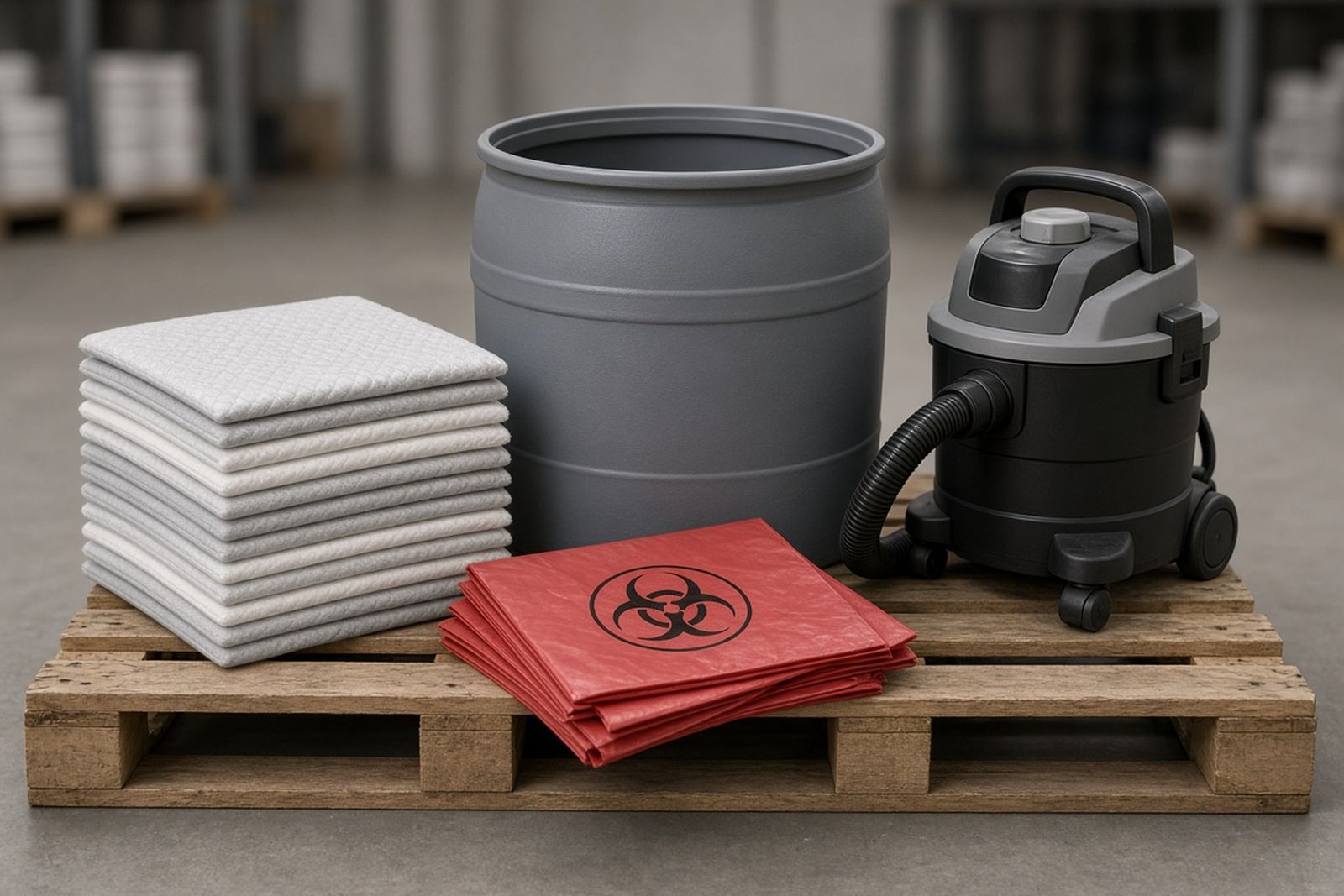
Costs explained
What drives the price, published cost ranges, and how to read a written quote line by line.
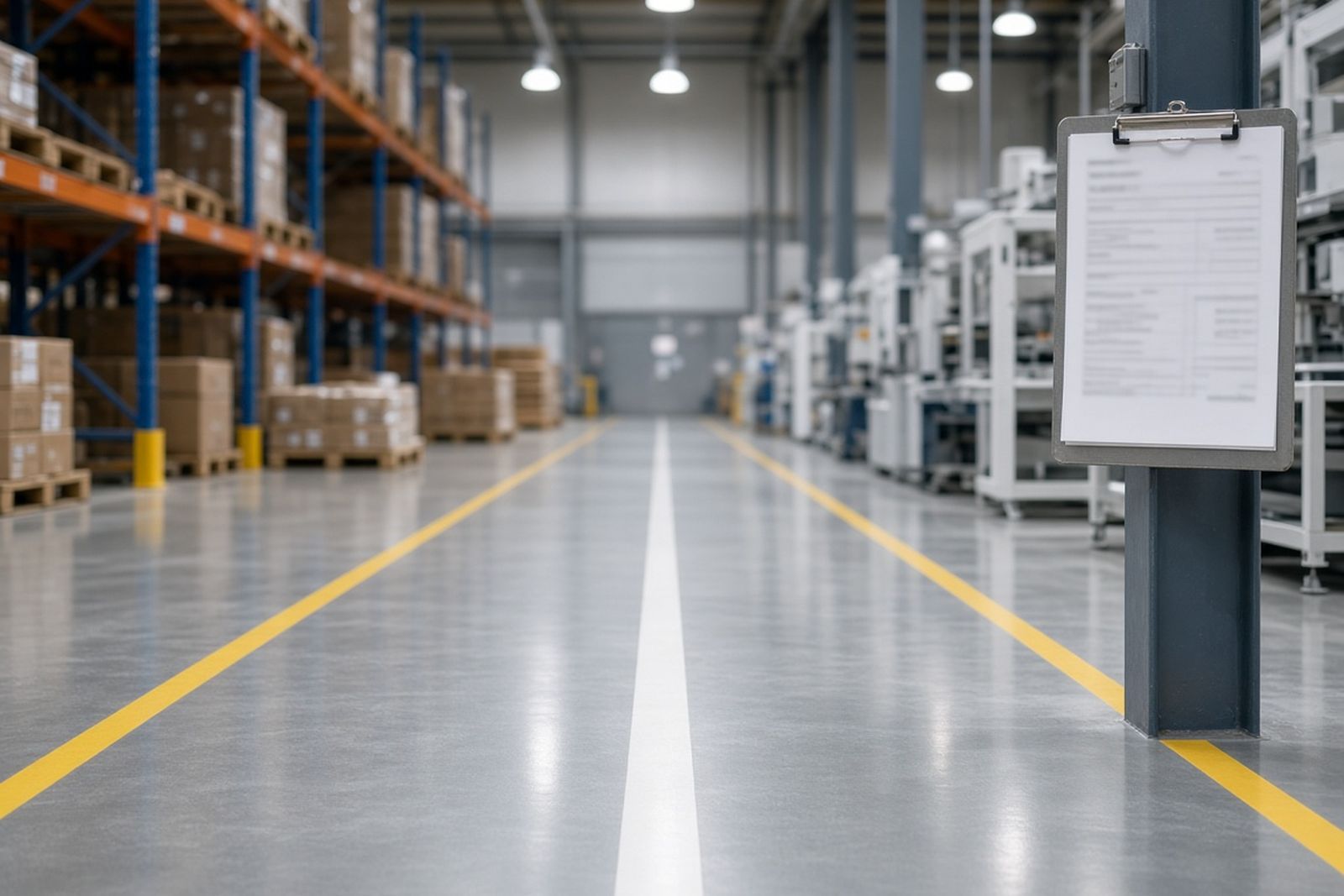
Insurance and payment
Which policies may respond, how to document a claim, and what to do if coverage is denied.
Planning tools
Planners and checklists built for facility managers. They cover cost ranges, contractor checks, insurance steps, first-day actions, waste sorting, and in-house risk.
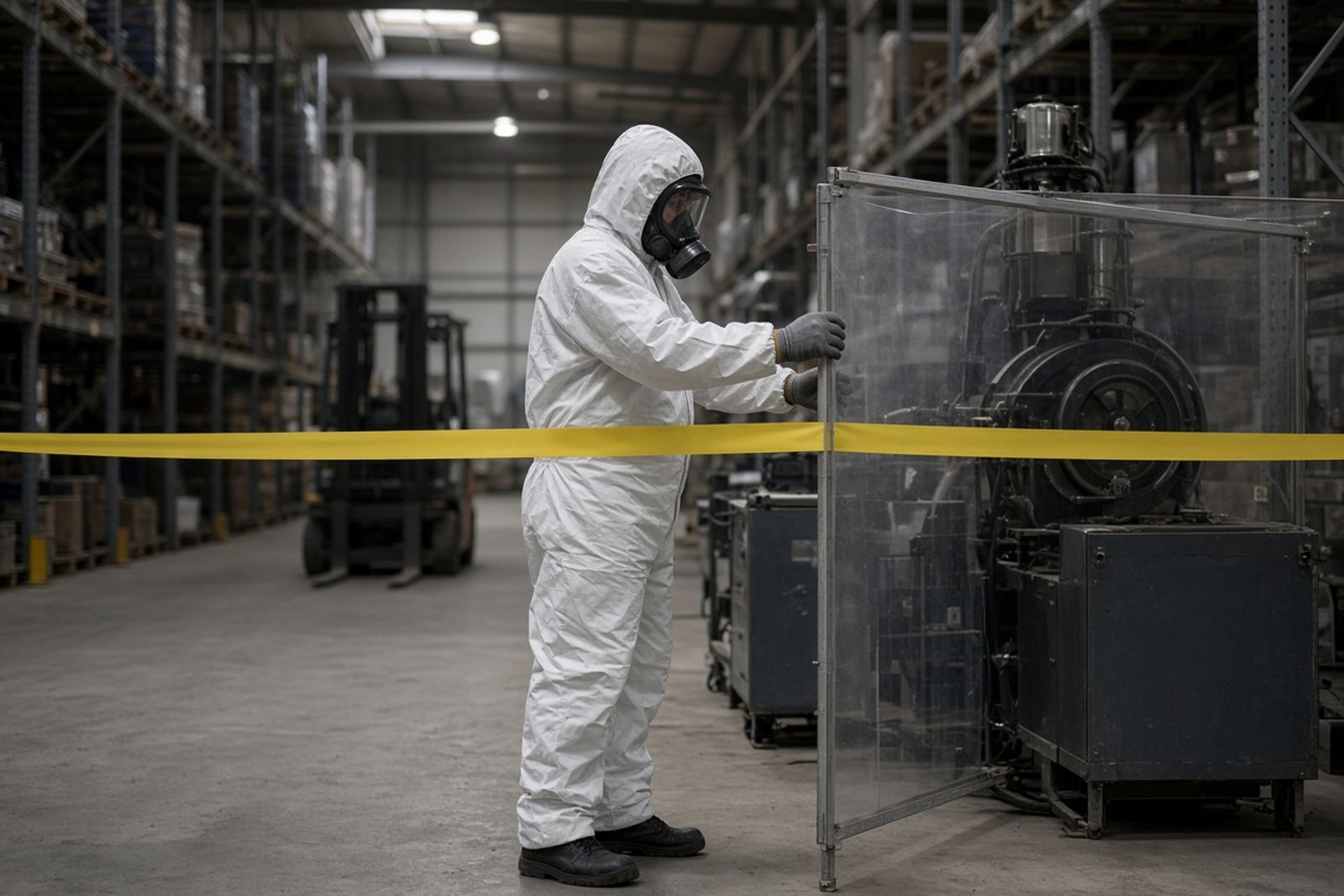
Knowledge quiz
Test what you know about spotting hazards, scene control, sealing off areas, disinfecting, waste paths, and records before an accident puts it to use.
Articles and resources
Practical articles on OSHA report deadlines and working with investigators. Others cover sites shared by several employers, planning the restart, and hard lessons other plants learned.