Industrial Accident Cleanup location coverage standards
Why a city name alone is not local expertise.
We have not published city pages for this specialty yet. Pages stay unpublished until they contain researched local context and useful decision support. Use the form to ask about your area.
Get an email reply about industrial accident cleanup
Send a short message to the follow-up inbox. A coordinator can reply by email. This form does not send emergency help; call 911 first if anyone is in danger.
Research before reach
A location is published only when its page includes meaningful local property, access, climate, jurisdiction, or documentation considerations.
Everything for one city on one page
Planning, safety, insurance, provider questions, sources, and documentation for each city sit together on a single guide.
No invented local offices
A city guide does not claim a storefront, parked crew, guaranteed arrival, job count, rating, or credential that has not been independently verified.
Use the national service guidance
The service and article libraries explain hazard controls, documentation, insurance questions, and provider verification without pretending those requirements are identical in every jurisdiction.
Not sure where to start?
Send a short message about your situation. Your request is sent to the follow-up inbox. A coordinator can reply by email.
Your request is sent to the follow-up inbox. A coordinator can reply by email.
If anyone is hurt or in danger, call 911 first.
Why location matters for industrial accident cleanup
Where a plant, warehouse, or job site is located shapes almost every part of an industrial accident cleanup. Some states run their own workplace safety programs. Others fall under federal OSHA. So the agency that may ask questions after a serious injury differs from place to place. Waste rules also change at the state line. State and sometimes county programs decide how blood-soaked absorbents are sorted, which chemical residues count as hazardous waste, and who may haul each type. Climate matters too. Heat makes soils dry faster on machinery. Cold makes wet cleaning harder in unheated bays. A busy industrial area may have several qualified contractors nearby. A remote quarry or rural plant may rely on a team that travels in with its own barriers and waste supplies.
An industrial accident often involves more than one public office. Knowing which ones apply where you work helps you prepare the right records. Start with the workplace safety agency for your state. That may be a federal OSHA area office or a state-run agency. Serious injury reports go through it. Your state environmental agency usually oversees your hazardous waste status. It also oversees any spill that reaches soil or water. The local fire marshal may be involved if flammable process materials were present. The city wastewater or public works department cares about anything that reached floor drains. To find each office, check your facility's written emergency plan and your current permits. Also check the official government websites for your state and county. Search results may be outdated or paid ads.
A directory listing tells you a company paid to be listed. It does not tell you it can handle a mixed blood and chemical scene inside your facility. Ask the contractor how it keeps blood-soiled materials apart from process chemical waste. Ask which permitted sites in your region receive each type. Ask for proof of current hazardous waste training for the people who would actually enter your site. Also ask for its written plan for protecting workers from germs carried in blood. Make sure the company holds any state or local registrations needed for handling or hauling waste where you operate. Check those registrations directly with the agency that issued them. Ask for a sample completion record or return-to-service letter with names removed. Finally, talk with your own environmental, health, and safety (EHS) lead and your insurance broker. They may already know which regional providers have worked safely in similar plants.
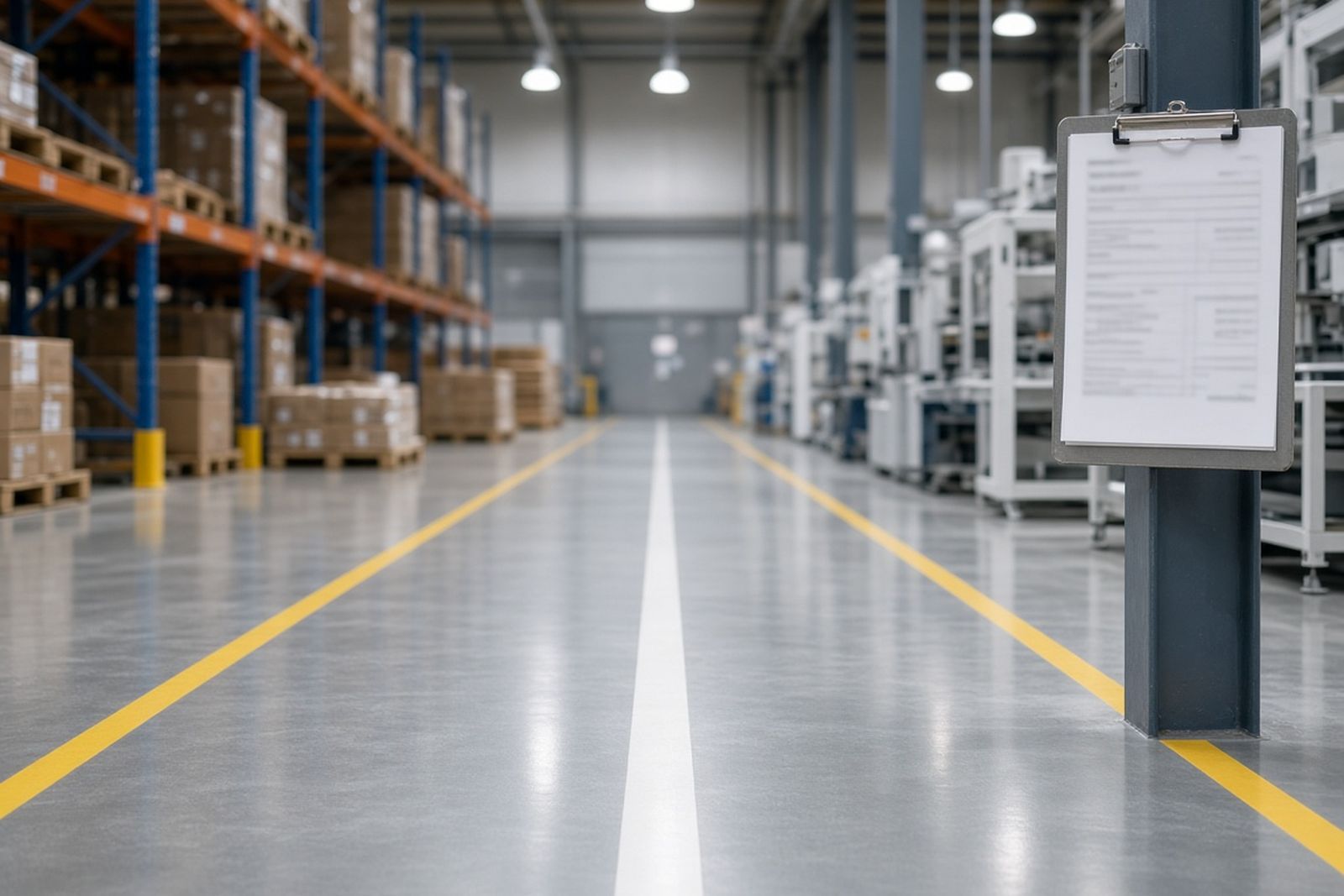
What to verify locally
- Whether your state runs its own workplace safety program or falls under federal OSHA. This decides which office gets serious injury reports.
- How your state environmental agency sorts mixed debris that holds both blood and process chemicals, and what that means for your waste paperwork.
- Which permitted treatment or disposal sites near you take regulated medical waste. Also check which take tested and labeled chemical waste from the same accident.
- Whether your local fire marshal or fire prevention office expects to be told when flammable or reactive materials were part of the accident.
- What your city wastewater utility requires if wash water, fluids, or residues reached floor drains, trench drains, or process sewers.
- Whether the contractor's waste hauling registration is current in your state. Confirm this directly with the agency that issued it.
National figures for context
These are national or research figures, not data for any one city.
- 779
Contact with objects and equipment killed 779 U.S. workers in 2023, the second-largest fatal event category after transportation.
Read with care: Includes struck-by, caught-in and crushing events across all sectors, not only industrial plants.
Source: BLS (2023)United States, 2023, all industries
- 586
The Chemical Safety Board received 586 accidental release reports between March 2020 and December 2025; 54.8% involved serious injuries and 15.4% fatalities.
Read with care: Only releases causing death, serious injury or substantial damage are reportable; minor spills are excluded.
Source: U.S. Chemical Safety Board (via Safety+Health) (2025)United States, CSB-reportable releases, Mar 2020-Dec 2025
- 3.1 per 100 FTE
Waste management and remediation services had a total recordable injury rate of 3.1 cases per 100 full-time workers in 2023.
Read with care: Rate covers all remediation and waste work, not biohazard cleanup specifically.
Source: BLS (2023)United States private industry, NAICS 562, 2023
These figures are public research and agency data, not this network's own job records. Keep each number with its population, year and limits; none of them predicts cost, timing or outcome at a specific property.
Local questions about industrial accident cleanup
Does the cleanup contractor need a special license in my state to work in an industrial facility?
Licensing for biohazard or trauma cleanup varies widely. Some states have no license just for this work. In an industrial setting, two other things usually matter more. Does the contractor hold the registrations your state requires to handle and haul the waste it creates? Are its workers trained for the hazards on your floor? Ask the contractor which state and local registrations it holds. Then confirm each one with the agency that issued it. Rules vary by state and county, so check with the local authority instead of trusting a company's description.
Which OSHA office should I contact after a serious workplace injury in my area?
That depends on whether your state runs an approved workplace safety program or is covered directly by federal OSHA. States with their own programs have their own agency and reporting steps. Other states send reports to a federal area office that covers a set of counties. Your company safety manual, your workers' compensation insurer, or the official OSHA website can tell you which office serves your location. Settle this before an accident, so whoever handles reporting is not searching under pressure.
Can our facility's own maintenance crew handle cleanup instead of an outside company?
Sometimes a trained in-house team can handle small, well-understood spills. But a serious injury scene, or a spill of an unknown substance, often goes beyond what maintenance staff are trained and equipped to do. Your written programs for blood safety and emergency response should say who may respond and how far they may go. Some states or counties also have rules on who may haul the waste. Review your programs with your EHS lead. Check local rules before you assign the work in-house.
How does working in a rural plant change the cleanup plan?
Rural sites are often farther from permitted waste sites. They are also farther from contractors who carry the full range of barriers and cleaning supplies. So plan for holding waste on site longer. That means secure short-term storage that meets local rules. It also means clear choices about which areas can keep running while the team works. Water and utility access may also differ from a city plant. Talk through these details with the contractor on the first call, so nothing is made up on the spot later.
Who decides when a production line can restart in my jurisdiction?
The facility itself usually decides when to restart. It bases that on standards agreed between plant leaders, EHS, and the cleanup contractor. But a public agency may have a say in some cases. These include an open investigation, a chemical spill under agency review, or a fire official limiting use of the space. Ask each office involved whether it has placed a hold on the area. Keep written proof that any hold was lifted in your incident file, along with the contractor's completion record.
Do local rules differ for a job site compared with a fixed plant?
They can. Construction and short-term job sites may involve a general contractor and several employers. They may also need permits for public streets and sidewalks, and local building officials may be involved. A fixed plant does not usually deal with these. Waste from a temporary site may need a different setup than your permanent facility uses. Before cleanup begins, make clear which employer controls the site and who signs the waste paperwork. Confirm any local permit terms with the city or town that issued them.
What should I ask a contractor that serves several states from a regional office?
Ask which crew would actually come to your site and where it would travel from. Ask whether that crew holds the registrations your state requires, not just those of the company's home state. Confirm which receiving sites it uses for waste from your area. Make sure those sites are permitted to accept it. Ask for references from industrial clients in your region. A company that works in many states can be a good fit. But its paperwork has to match the place where your accident happened.
More on industrial accident cleanup
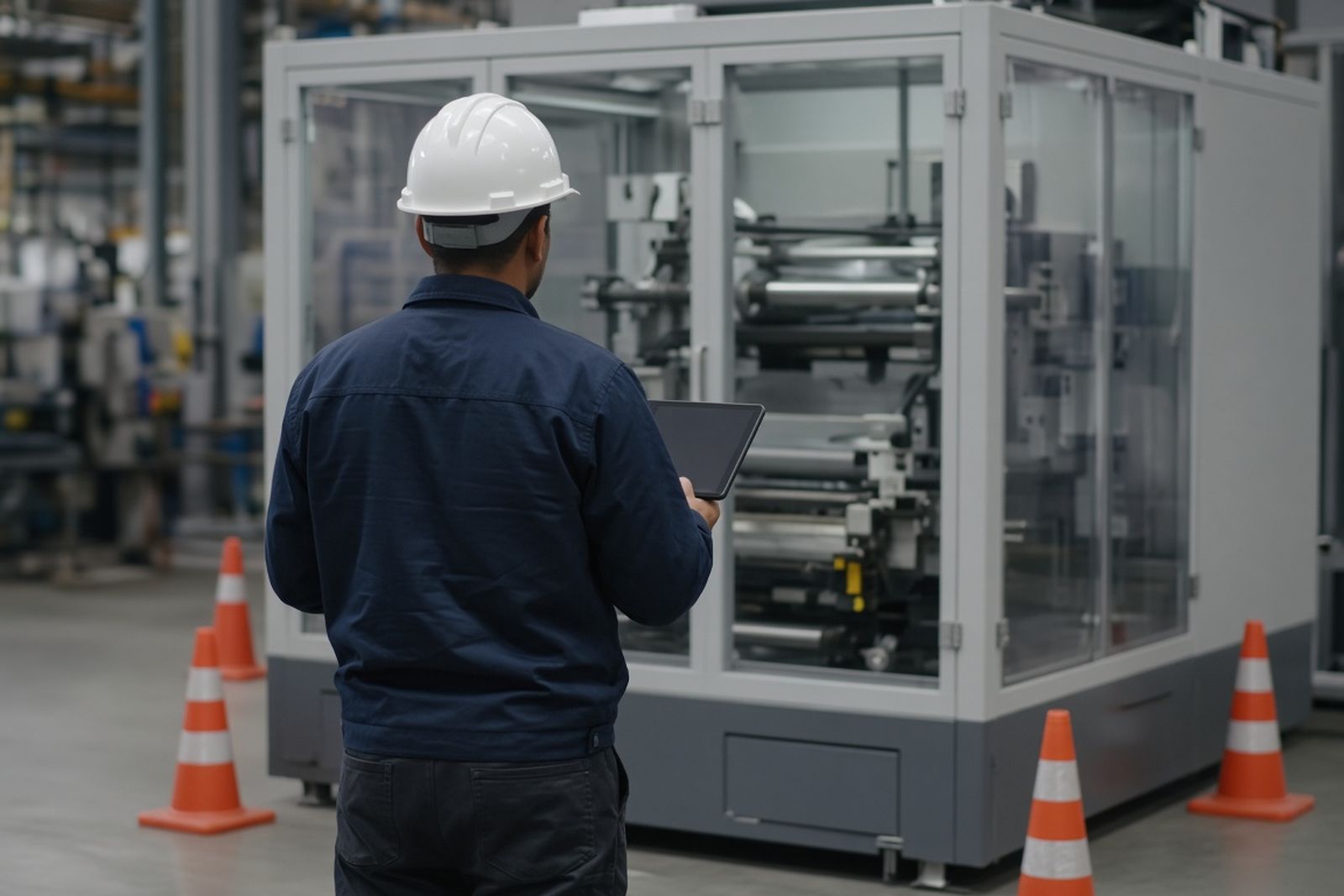
Industrial Accident Cleanup services
See how workplace injury cleanup, chemical spill response, equipment cleaning, and confined space work are planned and ordered for plants and job sites.
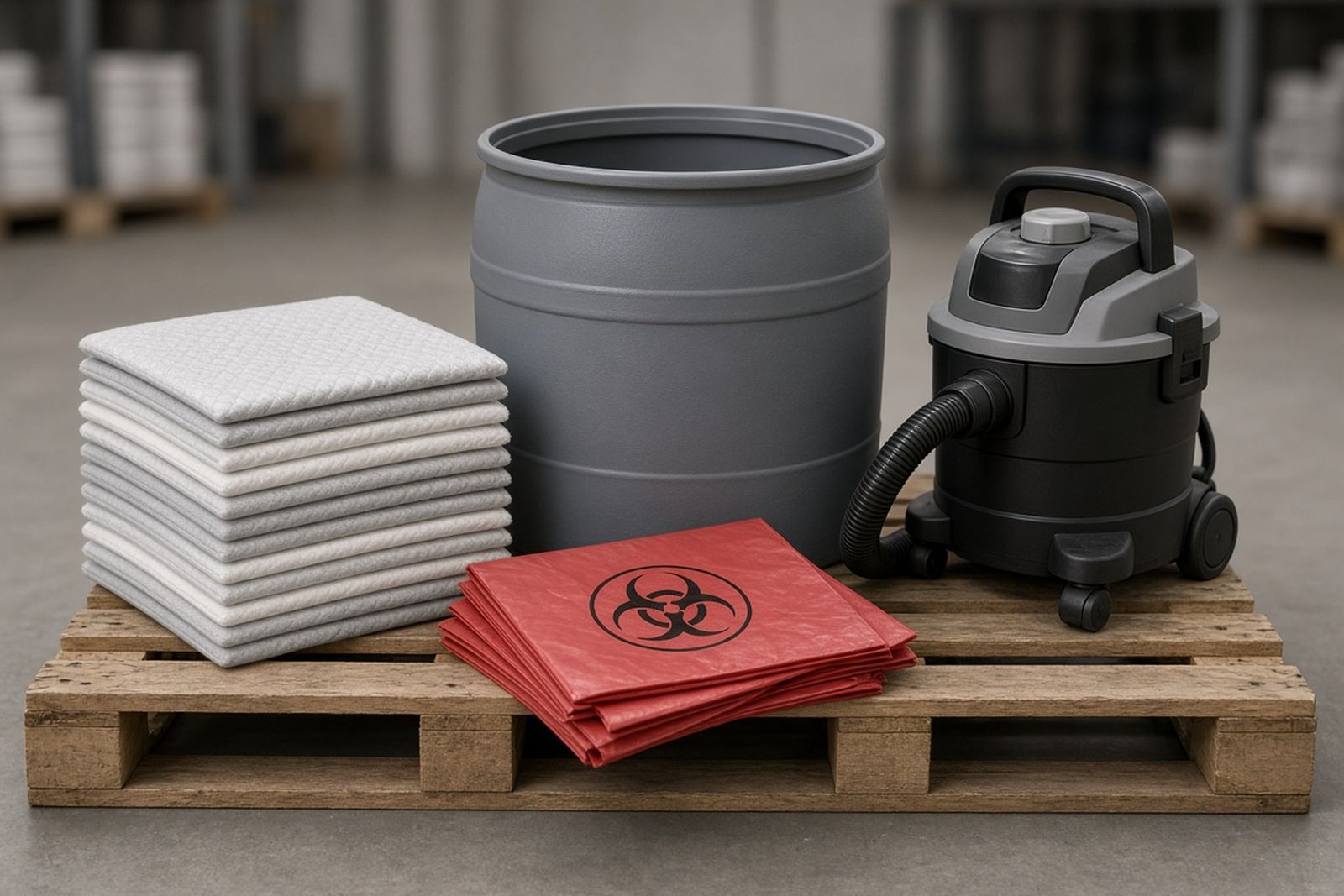
Costs explained
What drives the price, published cost ranges, and how to read a written quote line by line.
Insurance and payment
Which policies may respond, how to document a claim, and what to do if coverage is denied.
Planning tools
Planners and checklists built for facility managers. They cover cost ranges, contractor checks, insurance steps, first-day actions, waste sorting, and in-house risk.
Community polls
Compare your instincts with other operations and safety leaders on scene holds, restart pressure, choosing a contractor, and supporting affected workers.
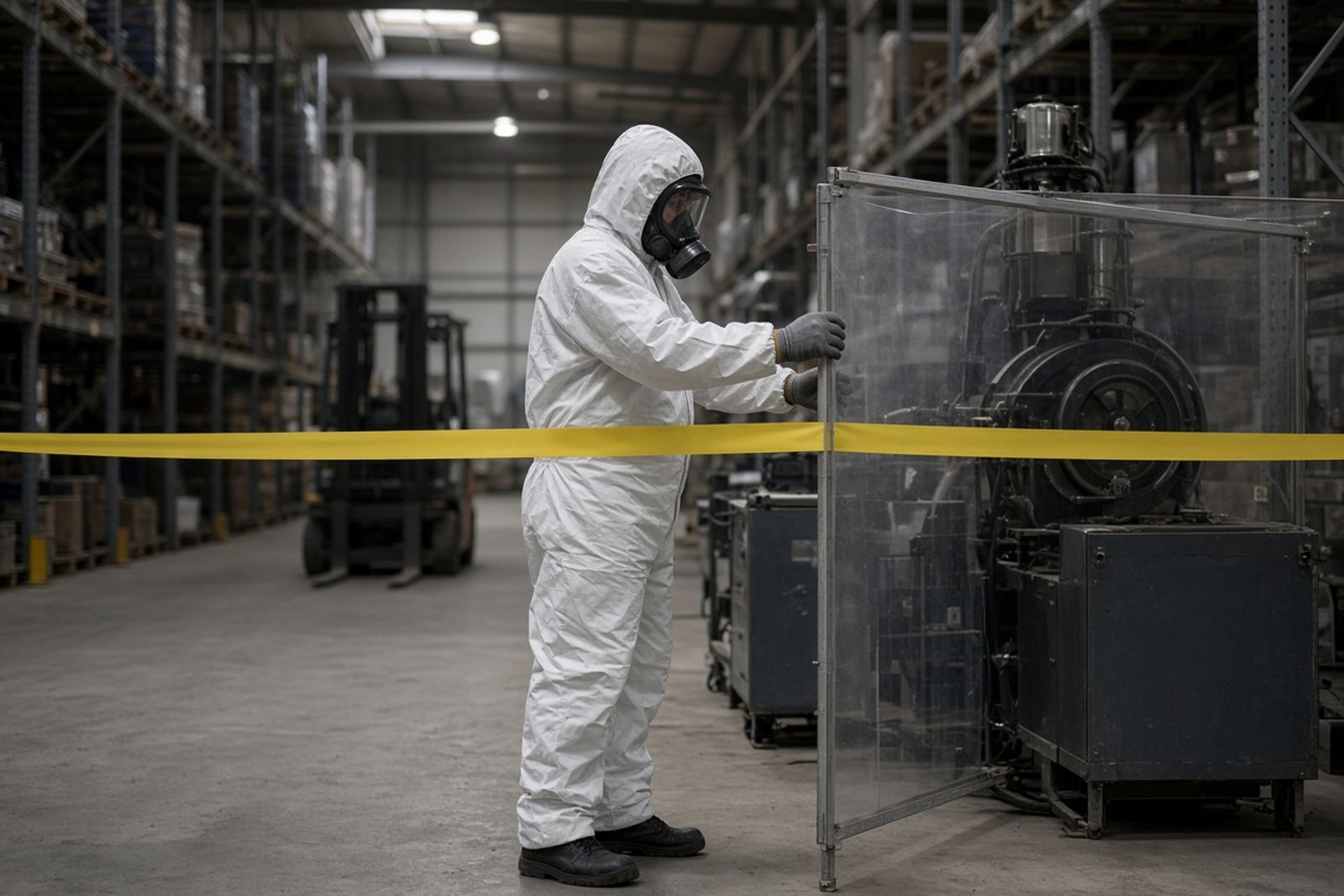
Knowledge quiz
Test what you know about spotting hazards, scene control, sealing off areas, disinfecting, waste paths, and records before an accident puts it to use.
Articles and resources
Practical articles on OSHA report deadlines and working with investigators. Others cover sites shared by several employers, planning the restart, and hard lessons other plants learned.